
Douglas Coltart
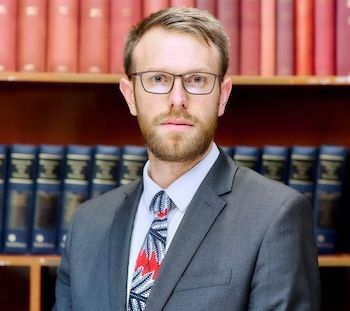
Thumbnail: Zimbabwean lawyer Douglas Coltart has emerged as one of the nation’s most resilient defenders of constitutional freedoms. At 36, the Harare‑based partner at Mtetwa & Nyambirai Legal Practitioners has built a reputation for representing journalists, union leaders, and activists in politically sensitive cases—often at great personal risk. From his early civic activism in #ThisFlag and Tajamuka to his recent assault during a constitutional hearing, Coltart’s journey reflects the perilous fight for accountability in Zimbabwe..
Profile: Douglas Coltart: Zimbabwe’s Human Rights Lawyer Standing Tall for Democracy
Zimbabwean human rights lawyer Douglas Coltart has become one of the country’s most prominent defenders of constitutionalism, repeatedly clashing with authorities over his work representing activists and opposition figures. His activism has drawn international attention and frequent reprisals at home.
Coltart, 36, a partner at Mtetwa & Nyambirai Legal Practitioners in Harare, has built a reputation for handling politically sensitive cases. He has represented journalists such as Hopewell Chin’ono, Blessed Mhlanga and members of the Amalgamated Rural Teachers Union of Zimbabwe, among others. His legal writings have been cited by the Constitutional Court, underscoring his influence in shaping jurisprudence.
The son of veteran lawyer and Bulawayo mayor David Coltart, Douglas was active in civic movements such as #ThisFlag and Tajamuka, which mobilised citizens against corruption and poor governance in 2016. His activism has made him a target of repeated arrests and intimidation. In 2019, he was detained while defending union members, and in 2023 he was charged with obstructing justice after advising police that abducted opposition supporters required medical care.
Douglas studied law at the University of Cape Town, earning recognition for academic excellence.
On March 31 this year, Coltart was assaulted by suspected ruling party supporters during a public hearing on Constitutional Amendment Bill No. 3 in Harare. His phone and glasses were stolen, and police present on the day did not intervene. Days later, a vigilante group calling itself Presidential Mafia Edutainers 4ED threatened him with further violence if he continued opposing the amendment.
Coltart’s recent statement condemning violence at constitutional hearings has drawn strong support from international legal bodies. Coltart, who was assaulted during a public hearing on Constitutional Amendment Bill No. 3 in Harare, warned that intimidation undermines democracy and silences legitimate dissent. He stressed that lawyers must be free to discharge their duties without harassment, and that constitutional reforms should be debated openly and inclusively.
The Commonwealth Lawyers Association described the attack as a “chilling assault on the rule of law,” urging Zimbabwe to guarantee lawyers’ independence and uphold freedoms of expression and assembly. The International Bar Association and the Law Society of England and Wales echoed the concerns, warning that harassment of lawyers deters practitioners from taking sensitive cases and risks silencing dissent within the legal community.
Coltart’s statement has become a rallying point for defenders of democracy, with endorsements highlighting the broader risks posed by constitutional changes that could weaken judicial independence. For many observers, the solidarity shown by global legal societies underscores the urgency of protecting Zimbabwe’s civic space and ensuring that lawyers can continue their work without fear of reprisal.
Despite the threats, Coltart has vowed to continue defending democracy and the Constitution. “We cannot allow fear to silence the fight for justice,” he said.
His struggle reflects the broader battle over Zimbabwe’s democratic institutions, where public hearings on constitutional reforms have been marred by violence and intimidation. For many observers, Coltart’s resilience has become symbolic of the country’s ongoing fight for accountability and respect for the rule of law.