
Ncedo Sifumba
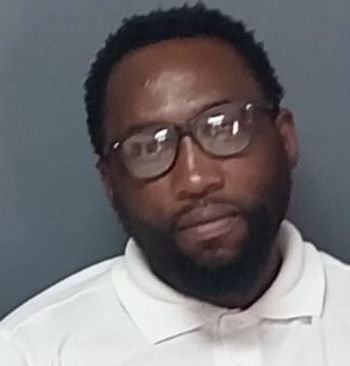
Thumbnail: Ncedo Sifumba advocates for fair treatment, effective communication, and adequate access to health facilities and drugs for elderly patients in Gugulethu. He is the health coordinator and organiser for the Gugulethu Progressive Development Forum, formed to fight crime, injustice, and underdevelopment. Sifumba sacrifices time and personal resources; he is often threatened for his activism.
Profile: Ncedo Theophilus Sifumba’s entry into activism followed a family dispute over his right to a family property. In his quest for justice and fairness, Sifumba joined local activist groups.
“I was motivated in 2017 when I had to fight for my right to a family house after I was chased out by my cousin, and I joined a human rights activist group. After that I've been working with different community or social activist groups in Gugulethu,” said Sifumba. Gugulethu is an under-resourced community about 18 kilometers southeast of Cape Town CBD.
When he became aware that residents of a neighborhood home for the elderly were ill-treated, and that staff members at a local clinic treated patients with disrespect, he committed to transforming the community. Cases of health officials giving wrong prescriptions to patients is a common feature of the South African health system. Recently, the health Ombudsman in South Africa reported serious irregularities in the medication management system.
Today, Sifumba serves as a health coordinator for the Gugulethu Progressive Development Forum. Besides raising the alarm when members act unprofessionally, Sifumba acts as a messenger providing much-needed drugs to those elderly who are unable to walk to the local clinic.
As a result of his intervention, “the situation is becoming better at our clinic, as nurses now treat patience with dignity.”
When in 2020 some board members at another home for the elderly were implicated in abusing funds and mistreating patients, Sifumba and his colleagues organised community members and staged a protest: “When we kept receiving numerous complaints from children or grandchildren of patients at the home that they were getting indications of neglect and abuse of their parents at the home, we organised to meet the board running the premises. We wanted to have meetings with the leadership of that facility, but they would continuously refuse to meet with us until we started to picket outside the facility,” said Sifumba.
As if that were not enough, in their anti-crime drive Sifumba and his colleagues confronted the local police station to assure community members of the strategies they were taking to combat crime in line with national priorities and “to tell residents why people feel unsafe in their presence”.
Sifumba’s activism comes with challenges: “I have made a lot of sacrifices and mostly it's my time and reputation as you become hated by those who deprive the people of their rights to health or access to better health-care services as it is made out to seem as if I'm trying to make myself look better in the community by fighting an unnecessary fight to better health care services. As I'm unemployed, I get to mostly volunteer my time in collecting medication for the elderly people of my community at our local clinic and I deliver to their homes, so I become exposed to the facility’s daily activities and I get to witness the negative and positive treatment of patients by staff and I mostly fight against the negative treatment when I see it.”
In South Africa, it is not uncommon for whistle blowers to be murdered for exposing corrupt and unprofessional conduct by authorities, and Sifumba is constantly at risk: “The fighting puts me at a risk of being hated by the staff, which makes it easy for them to sabotage my line of work at the clinic, but I fight anyway. . . . Advocacy is my passion. Although it does get difficult at times, I enjoy every moment of it.”