
Thomas Pa Alie Babadi
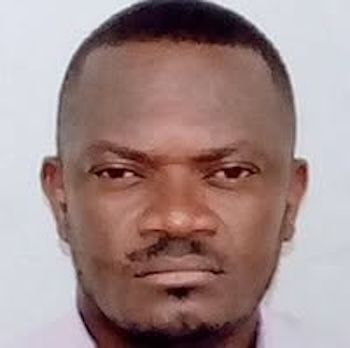
Thumbnail: In a time when Sierra Leone’s democratic freedoms are frequently challenged, Thomas Babadi stands out as a courageous civil society activist whose convictions have placed him at the forefront of the struggle for transparency, accountability, and citizens’ constitutional rights.
Profile: Thomas Babadi is the Executive Director of the Forum for Sierra Leonean Youth Network (FoSLYN), an organization established in 2006 to empower young people in Sierra Leone through the development of skills, education, and advocacy. FoSLYN engages in civic issues and collaborates with partners like the British High Commission and the United Nations. It promotes peace, human rights, and democratic principles, often intervening in national discussions and condemning violence while advocating for dialogue and accountability.
Babadi himself is widely recognized as an advocate for peaceful assembly, electoral accountability, and human rights, repeatedly risking his personal freedom to ensure that the voices of ordinary Sierra Leoneans are heard. His work centers on empowering citizens to claim their rights and participate meaningfully in the democratic process, even when doing so attracts state resistance.
In late 2024, Babadi, together with fellow advocate Wadi Williams and the civic group known as Concerned Sierra Leoneans, sought to peacefully mobilize Sierra Leoneans to demand full transparency of the results of the June 24, 2023, general elections. The activists notified the Sierra Leone Police of their intention to hold a peaceful demonstration before the offices of the Electoral Commission of Sierra Leone (ECSL); this was a step they took in compliance with the requirement to seek police protection under the Public Order Act.
Rather than facilitating a peaceful space for civic engagement, authorities arrested Babadi and Williams on December 4, 2024, ahead of the planned December 10 demonstration. The activists were detained amid allegations of failing to satisfy procedural requirements, even though their intent was to uphold constitutional guarantees of free expression and assembly.
Their arrest sparked widespread condemnation from human rights advocates, civil society networks, and legal bodies, including the Lawyers’ Society, which declared their detention arbitrary and a violation of fundamental constitutional rights protected under Sections 25 and 26 of the 1991 Constitution of Sierra Leone.
The response from state institutions did not end with the initial arrest. Babadi has been summoned multiple times by the Criminal Investigation Department (CID) for his outspoken criticism of police leadership and his activism on national television.
During a 2025 interview on AYV TV, he questioned the competence of the Police Inspector General, prompting another summons from authorities shortly afterward. On these occasions, Babadi reported intrusive searches of his workplace and personal property, which he described as unlawful; he also contested allegations that he used forged documents in organizing civic action. Babadi’s experience reflects a broader trend of repressive actions against activists, spotlighting how legal instruments and law enforcement powers have sometimes been interpreted in ways that chill dissent.
Babadi’s repeated arrests and legal harassment have not gone unnoticed. National and political figures, including former presidential candidate and politician Samura Kamara, have publicly called for respect for constitutional rights and the release of detained protest organizers, highlighting that citizens’ rights to peaceful assembly and expression are essential to a thriving democracy. Civil society groups likewise described the actions against Babadi as symptomatic of shrinking civic space in Sierra Leone, where public advocacy for accountability can be met with arbitrary arrests, investigations, and intimidation rather than constructive engagement.
Thomas Babadi’s story is one of principled resistance in the face of institutional pressure. His advocacy for electoral transparency, protection of fundamental rights, and peaceful, lawful civic engagement embody his desire to defend freedoms that sustain society’s democratic fabric. Though his actions have brought detention and scrutiny, they have also drawn public attention to the importance of safeguarding constitutional rights. In doing so, Babadi has helped catalyze national conversations about democracy, civic space, and the roles citizens can play in shaping their nation’s future.